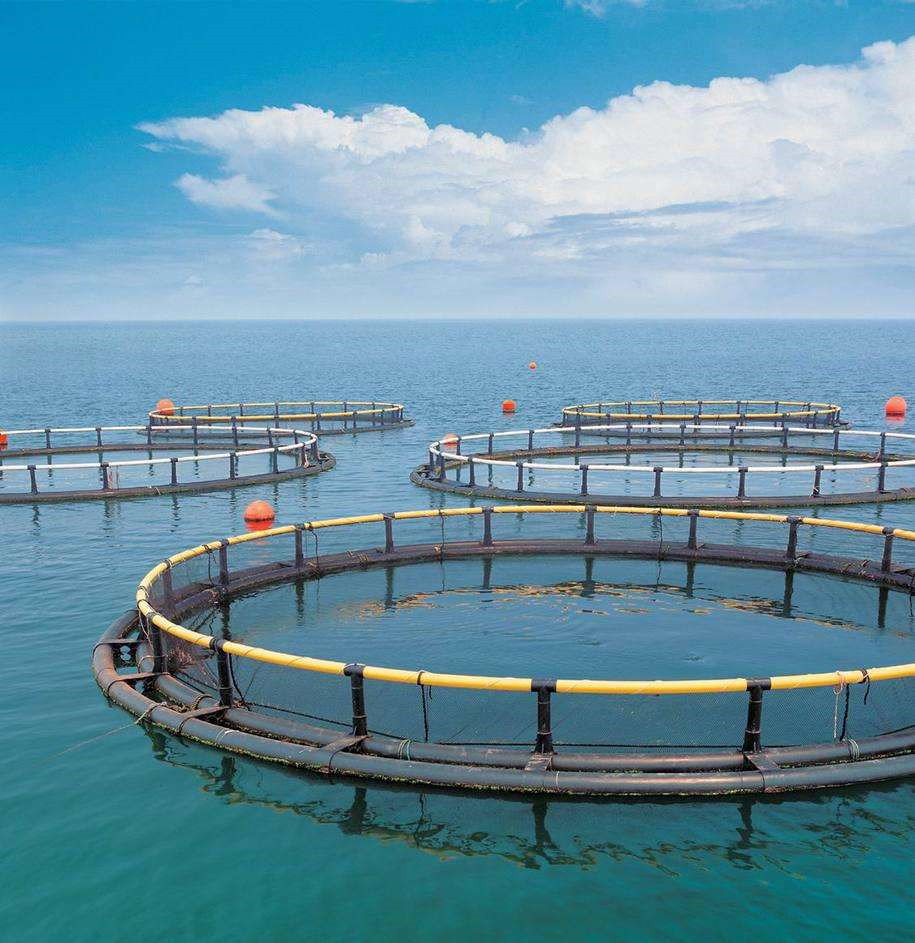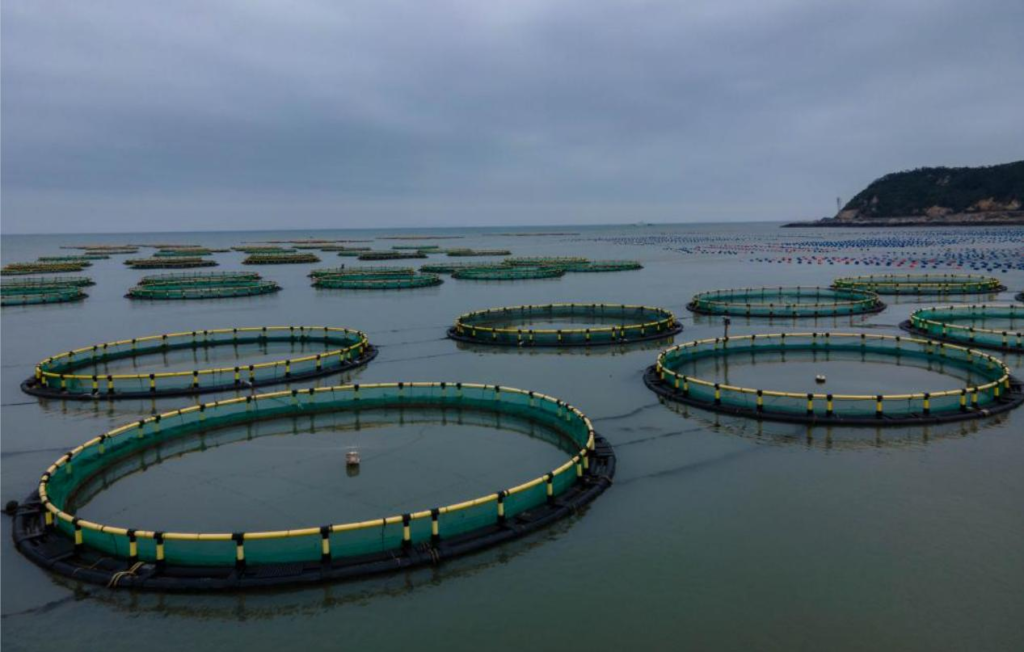
In recent years, the aquaculture industry has witnessed remarkable advancements as it seeks to balance the rising demand for seafood with sustainable practices. One material has emerged as a game-changer in the design of fish farming cages: nylon. With its exceptional durability, flexibility, and resilience against environmental stressors, nylon is transforming aquaculture practices worldwide. This report delves into the numerous benefits of nylon in fish farming, the current market hotspots, and why it is increasingly regarded as the top choice for sustainable aquaculture solutions.
Understanding the Aquaculture Landscape
As the global population continues to rise, the demand for protein-rich food sources is at an all-time high. Both wild fisheries and traditional aquaculture methods face significant challenges, including overfishing, habitat destruction, and climate change. In response, industry stakeholders are turning towards innovative materials and technology, with nylon leading the charge in enhancing fish farming practices.
Aquaculture, which is the practice of cultivating aquatic organisms such as fish, shellfish, and aquatic plants, is expected to account for more than 60% of the world’s seafood by 2030. As industry leaders focus on sustainable practices to ensure food security, the selection of materials used in fish cages becomes increasingly critical.
The Superiority of Nylon in Fish Farming
1. Exceptional Durability
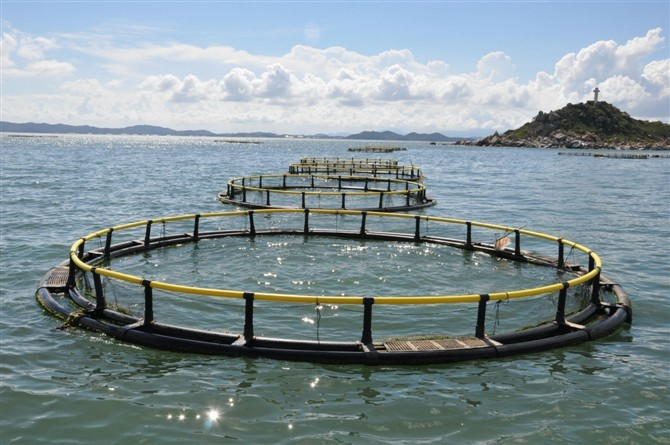
One of the standout characteristics of nylon is its durability. Nylon fishing nets and cages are built to withstand the harsh conditions of aquatic environments. They are resistant to wear and tear, providing a longer lifespan compared to traditional materials such as polyethylene or polypropylene. The ability of nylon to resist UV rays, chemicals, and biological degradation means that fish farmers can trust nylon cages for consistent performance, reducing the need for frequent replacements and repairs.
2. Flexibility and Adaptability
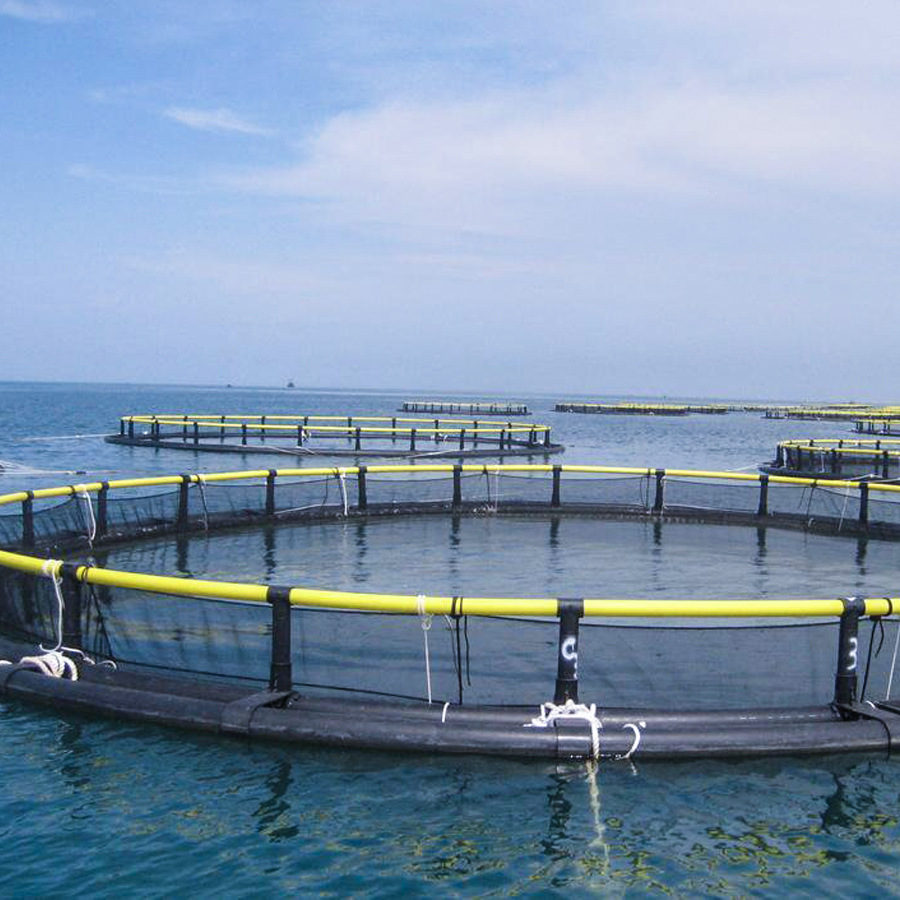
Nylon’s inherent flexibility allows for innovative cage designs that can adapt to various aquatic conditions. This flexibility facilitates the construction of cages that can accommodate different fish species, sizes, and farming techniques. Moreover, the ability to create custom mesh sizes ensures optimal water flow and minimizes the risk of fish escape, a significant concern in aquaculture.
3. Environmental Resilience
Environmental stressors such as strong currents, temperature fluctuations, and biological fouling present challenges in fish farming. Nylon has demonstrated resilience in facing these stressors, ensuring that marine ecosystems remain intact. The porous structure of nylon allows for better water circulation, promoting a healthier aquatic environment for fish. This capability reduces the risk of diseases and parasites, leading to improved fish health and, consequently, better yield.
4. Enhanced Sustainability
Sustainability is a key concern in modern aquaculture, and nylon stands out as an environmentally friendly option. Unlike more rigid materials, which may not biodegrade, nylon can be designed to be more sustainable through recycled content or innovative disposal methods. Furthermore, the longevity of nylon cages contributes to lower plastic pollution in aquatic ecosystems, reinforcing the commitment to environmentally responsible practices.
Customization Options:
- Tensile Strength Variations: Choose the yarn strength that matches your cage design.
- Different Denier Sizes: Adaptable to specific mesh sizes and farming requirements.
- Bulk Supply & Packaging: Flexible delivery options to fit operational needs.
Dongying Hongchang Brand Advantages:
- Trusted name in technical yarn production.
- Provides reliable supply, technical support, and guidance for aquaculture operations.
- Proven track record in enhancing efficiency and reducing maintenance costs.